Sheet Steel: Hot-Rolled, Cold-Rolled and Galvanised, How to Choose
08.07.2026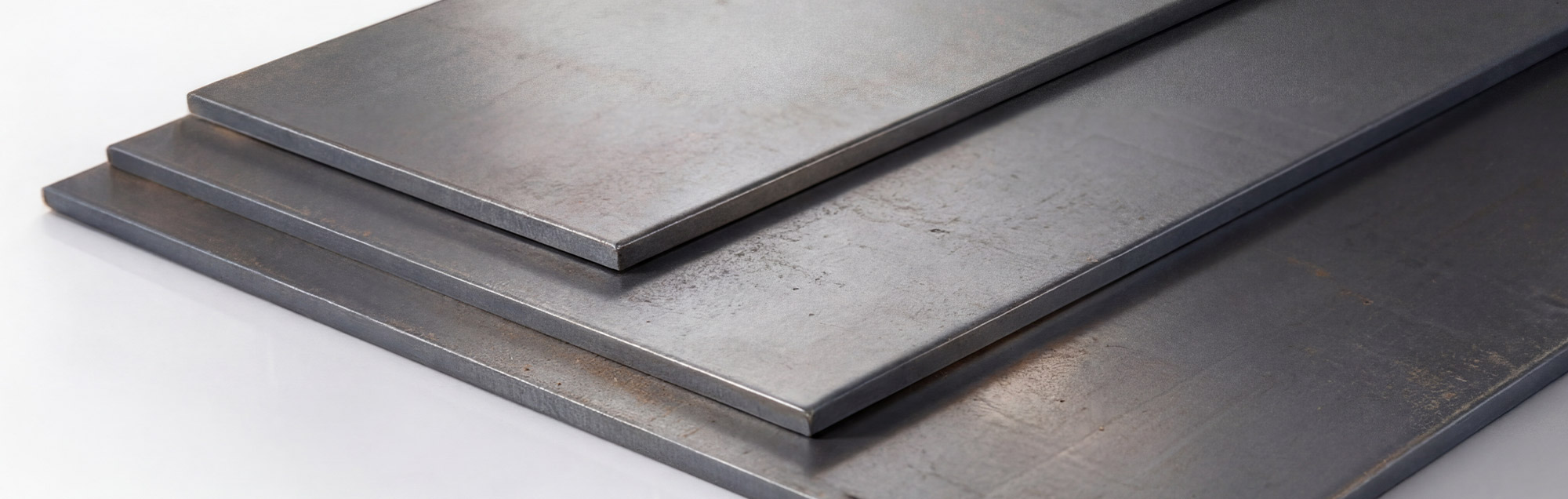
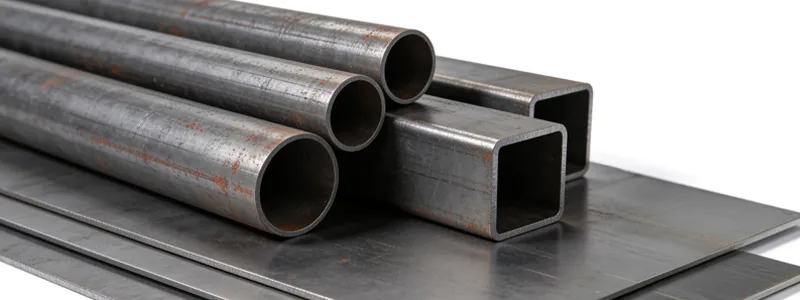
Sheet steel is classified by rolling method and by coating, and this determines where it will be used. Hot-rolled goes into structures and loaded parts, cold-rolled into smooth and precise products, galvanised sheet protects against corrosion, and chequered plate goes underfoot. Below we look at how these types differ, which to choose for roofing, cladding, flooring or fabrication and what thickness to take.
How hot-rolled and cold-rolled sheet differ
Hot-rolled sheet is rolled while red-hot. Its surface carries dark mill scale and its geometry is slightly less precise, but the thickness range is wide, from one and a half millimetres to several dozen. It is cheaper and behaves well in welding and painting, so it is used for frames, gussets, bases, tanks and any load-bearing parts. Structural sheet is supplied to the European standard EN 10025; typical grades are S235 and S355.
Cold-rolled sheet is brought to its final thickness in the cold state. It is thinner, usually up to three millimetres, with a smooth, even surface and precise thickness. It bends and stamps better, paints more evenly and goes where appearance and precision matter: cladding, casings and visible parts. The base standard here is EN 10130.
Galvanised and chequered sheet
Galvanised sheet is a cold-rolled base with a zinc coating that protects the steel from rust. It is chosen for roofing, facades, gutters, air ducts and exterior elements. Cutting and welding damage the zinc layer, so edges and seams are given additional protection afterwards.
Chequered plate is hot-rolled sheet with a raised surface pattern, tear-drop or diamond. The pattern prevents slipping, so this sheet goes onto floors, steps, platforms, ramps and walkways.
Sheet thickness: the options and what it affects
Selection starts with thickness, because rigidity, weight and price all depend on it. Thin sheet, from half a millimetre to one millimetre, is used for roofing and cladding, most often galvanised. Medium sheet, from one and a half to four millimetres, is the universal range for most products. Thick sheet, from five millimetres up, goes where there is load: bases, floors, structural parts.
Which sheet for which job
For roofing and facades, take thin galvanised sheet. For visible and bent parts, casings and cladding, cold-rolled is the right fit. Load-bearing elements, frames and bases are made from hot-rolled. Floors, steps and platforms are covered with chequered plate. If a part will stand outdoors unpainted, it makes sense to look at galvanised sheet from the start.
Cutting and processing sheet for a project
A full sheet is almost always cut to size, and here the supplier's equipment decides a lot. On BPM's steel processing line, sheet is cut, sheared and rolled to the required dimensions, so ready blanks arrive on site instead of leftovers and offcuts. You can put the items together and estimate the weight in the order calculator on the BPM website, while a complex cutting layout is easier to agree with a manager against a drawing.


