Flat bar
| Name | Size W/t | Length | Weight | Cart |
|---|---|---|---|---|
| Flat Bar | 20×3 mm | 6 m | 3 |
|
| Flat Bar | 20×4 mm | 6 m | 3,798 |
|
| Flat Bar | 25×4 mm | 6 m | 4,89 |
|
| Flat Bar | 30×4 mm | 6 m | 5,976 |
|
| Flat Bar | 40×3 mm | 6 m | 5,67 |
|
| Flat Bar | 40×4 mm | 6 m | 8,22 |
|
| Flat Bar | 50×4 mm | 6 m | 9,81 |
|
| Flat Bar | 50×5 mm | 6 m | 11,85 |
|
| Flat Bar | 60×5 mm | 6 m | 14,698 |
|
| Name | Size W/t | Length | Weight | Cart |
|---|---|---|---|---|
| Flat Bar | 20×3 mm | 6 m | 3 |
|
| Flat Bar | 20×4 mm | 6 m | 3,798 |
|
| Flat Bar | 25×4 mm | 6 m | 4,89 |
|
| Flat Bar | 30×4 mm | 6 m | 5,976 |
|
| Flat Bar | 40×3 mm | 6 m | 5,67 |
|
| Flat Bar | 40×4 mm | 6 m | 8,22 |
|
| Flat Bar | 50×4 mm | 6 m | 9,81 |
|
| Flat Bar | 50×5 mm | 6 m | 11,85 |
|
| Flat Bar | 60×5 mm | 6 m | 14,698 |
|
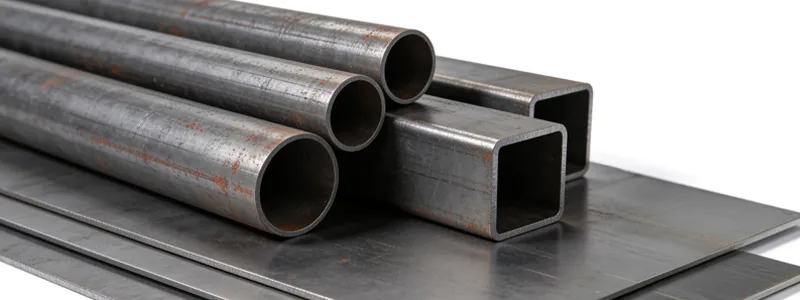
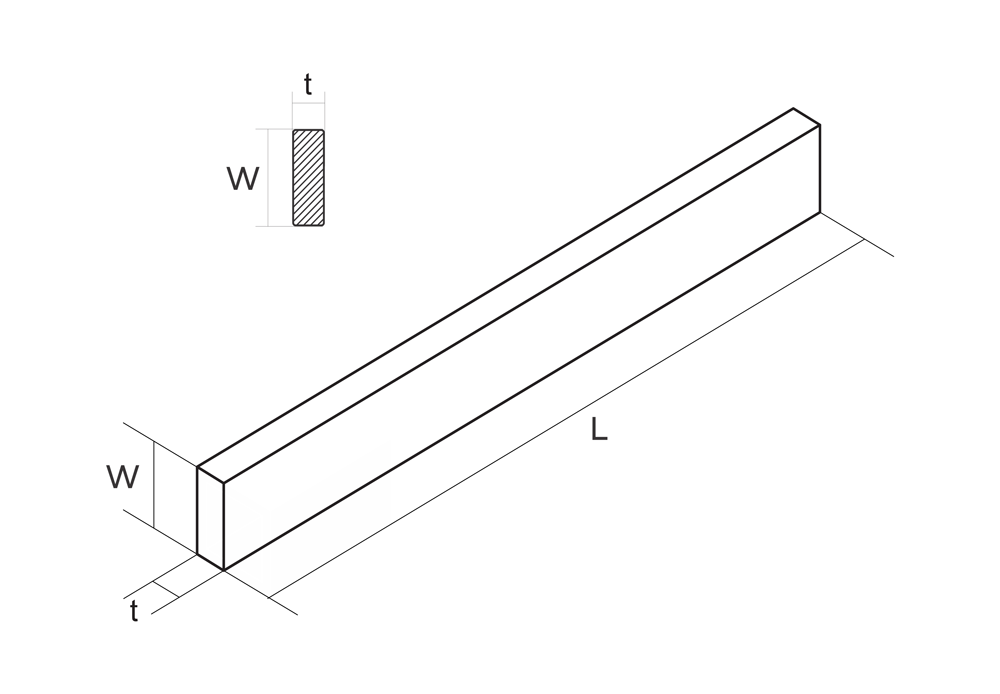
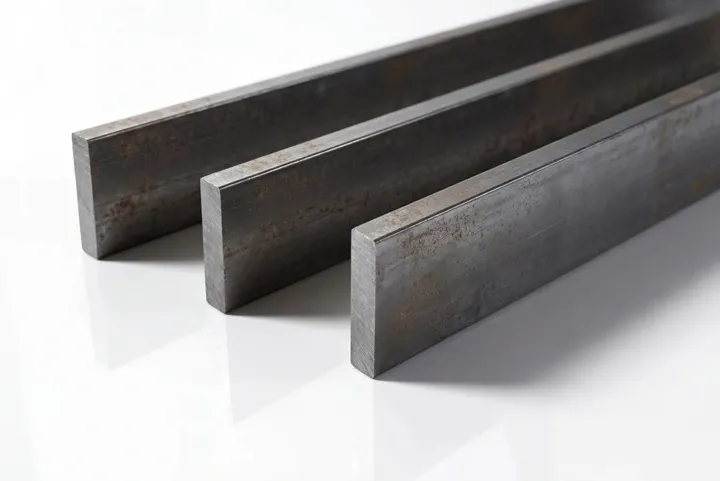
Flat bar - is a type of rolled metal with a narrow rectangular solid cross-section. It has versatile mechanical properties and responds well to both hot and cold deformation. Steel flat bar is used in various industries - mechanical engineering, construction, decorative elements, furniture manufacturing - and can also be used as a blank in the production of cutting tools, springs, and similar products.
Steel flat bar can be classified by production method:
Hot-rolled and cold-deformed flat bar is produced from standard quality steels on hot rolling mills. No special requirements are imposed on dimensional accuracy, corner blunting, or surface quality.
Hot-rolled flat bar is used:
in the construction of load-bearing structures during the building of facilities of various types and purposes, where it can serve both as an independent material and in combination with angle steel, beams, channels, and various pipes;
for the manufacture of embedded parts used at precast concrete plants or construction sites;
in the production of various decorative metal products and structures.
By cutting steel sheet into strips of a specified width.
By forging - in the production of this type of metal strip, tool carbon and alloy steel is most commonly used. To improve the strength characteristics of the strips, various additives may be added to the base alloy composition. Forged steel flat bars are used in construction, the machine industry, and metalworking.
Payment options:
online by bank card;
bank transfer to current account;
cash.
Delivery is carried out:
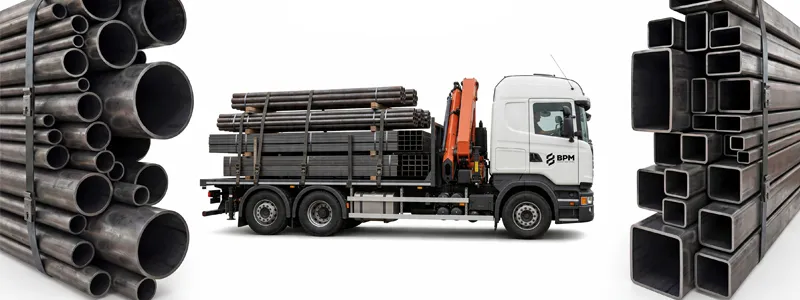
by BPM Cement and Steel's own transport service;
to all regions of the Republic of Moldova.
BPM Cement and Steel offers:
quality products from major rolled metal manufacturers;
a wide range of rolled metal products in various sizes;
highly qualified personnel;
fast order completion and delivery to address, or pickup from metal centers;
individual approach and negotiable discounts.
1. What flat bar sizes are available?
Flat bar is specified by its width and thickness. The width typically ranges from 20 to 100 mm, while the thickness starts from 4 mm. The most common sizes are 20×4, 40×4, 50×4, 40×5 and 50×5 mm.
2. Which should I choose: black steel or galvanized flat bar?
Black steel flat bar is used for metal structures and decorative forging, with subsequent priming and painting. Galvanized flat bar is recommended for grounding, lightning protection, and applications exposed to soil or outdoor conditions, as it is more resistant to moisture.
3. What is the difference between flat bar and strips cut from sheet metal?
Flat bar is a rolled steel product manufactured directly as a strip, which gives it smooth and uniform edges. Strips cut from sheet or coil have sharper cut edges. For welding and forging, the even rolled edge of flat bar is more convenient and practical.


